What to look for in an online painting course (and the questions worth asking before you buy)
If you’re thinking about taking an online painting course, you’ve probably already noticed there are a lot of options out there. Hundreds, actually. Some are brilliant. Some are not. And from the outside, it can be hard to tell the difference.
Check out my online courses >>
I wanted to share the things I’d look for if I were in your shoes — the questions I’d ask before handing over my money. Not because I think there’s only one right answer, but because knowing what to look for makes the whole decision easier.
This isn’t a sales pitch. It’s a checklist. And if it helps you find the right course — whoever runs it — then it’s done its job.
Is the teacher a working artist?
This is the first thing I’d check. There are plenty of talented educators out there, but there’s a real difference between someone who teaches painting and someone who paints — and teaches.
A working artist brings something that can’t come from a textbook. They know what it feels like to stand in front of a blank canvas with no plan. They know what it’s like to exhibit work, to sell it, to have a painting rejected, to try something new and not know if it’ll work. That lived experience shapes everything they teach.
I paint and exhibit my own work constantly. It’s not separate from my teaching — it is my teaching. The things I share in my courses are the things I’m working through in my own practice, right now.
Does the course teach a process — or just a technique?
This matters more than people realise. A technique-based course teaches you to paint a specific painting. You follow along, you copy the steps, and you end up with something that looks like the teacher’s work. That has its place.
But if you want to develop your own voice as a painter — if you want to be able to walk into a landscape and know what to do with it — you need to understand a creative process. How to look. How to respond. How to experiment with marks and materials until something starts to happen.
That’s what I try to teach. Not “paint this painting,” but “here’s a way of thinking that will help you make your own paintings.” As one student, Phil, put it — “It has really pushed me. I feel that it has helped me to trust in a creative process, and in doing so, I’ve learned to let go more and take risks.”
Can you see the teaching style before you buy?
This is easy to check and often overlooked. Does the teacher have free content you can watch first? YouTube videos, short demos, behind-the-scenes footage?
If you’re anything like me, you want to know what it actually feels like to learn from someone before you commit. The tone of voice, the pace, the way they explain things — these matter as much as the subject. You’ll be spending hours with this person.
I have over 28,000 subscribers on YouTube for exactly this reason. People watch the free videos, get a sense of how I work and teach, and then decide whether my courses are for them. That feels right to me.
Is there personal feedback — or are you on your own?
Some online painting classes are essentially pre-recorded videos that you watch alone. That’s fine for some people, but for most of us, feedback is where the real growth happens. Someone looking at your work and saying “try this” or “push that further” can shift your practice in ways that watching another video simply can’t.
I run live Q&A sessions and give personal feedback during course periods. It’s the part of teaching I enjoy most, honestly — seeing what people make and helping them take the next step.
Jenelle, one of my students, said something that stuck with me: “I’ve taken some popular 12 week courses multiple years in a row and never really understood how to convey my own experiences outdoors in an abstract way until I took your course.” That kind of breakthrough often comes from a conversation, not a video.
How long do you have access?
This is a practical one, but it matters. Some courses give you a week. Some give you a month. Some give you lifetime access — which sounds generous but sometimes means the content is never updated.
I give 12 months of access to my courses. That’s long enough to go through the material at your own pace, come back to lessons, try things again, and let ideas settle. Painting isn’t a race. You need time to absorb things and experiment.
Is there a community around it?
Learning to paint can feel isolating, especially if you’re working from home. A course with a community — other students to share work with, ask questions, and encourage each other — makes an enormous difference.
My Noble Art Membership includes over 50 monthly painting projects and a community of more than 1,000 students who share their work and support each other. As Patti put it, it helps you “take the worry out of the creative process and put the fun back in.”
What do past students actually say?
Testimonials on a sales page are one thing. But look for the detail. Are people talking about specific things they learned? Have they changed how they work? Do they sound like they’ve been genuinely affected — or are they just being polite?
The feedback that means the most to me is when someone says they paint differently now. Not that they enjoyed the course — but that it changed something in their practice.
Where to go from here
If this checklist has been useful, I’m glad. Use it to evaluate any course you’re considering — including mine.
If you’d like to see how my courses measure up, have a look at my online courses or browse the course bundles for the best value. And if you want a taste of how I teach before committing, this video is a good place to start.
Whatever you choose, the most important thing is that you choose something. Taking a course — any course — is better than spending another year thinking about it.
Lewis
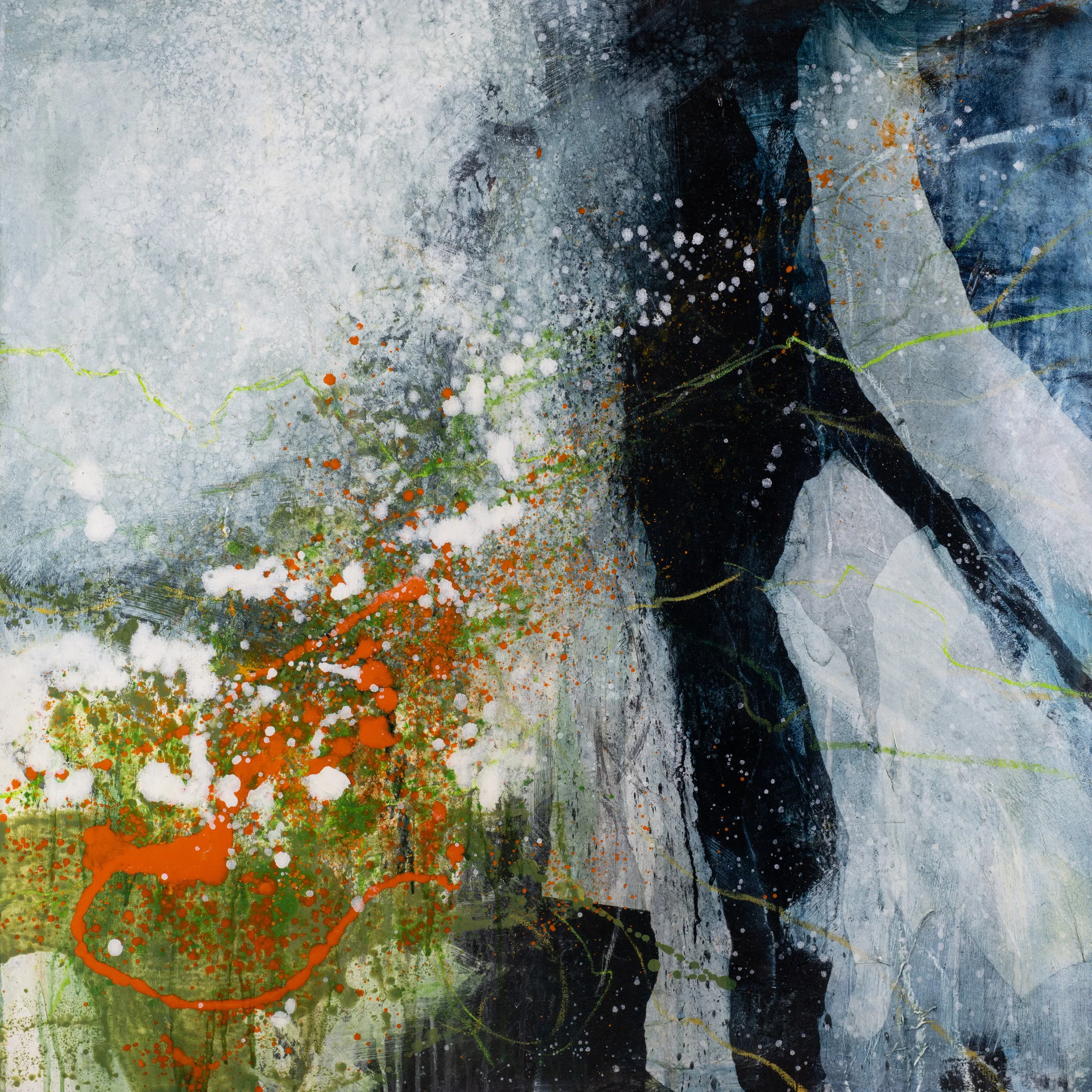
PAINT IT BIG
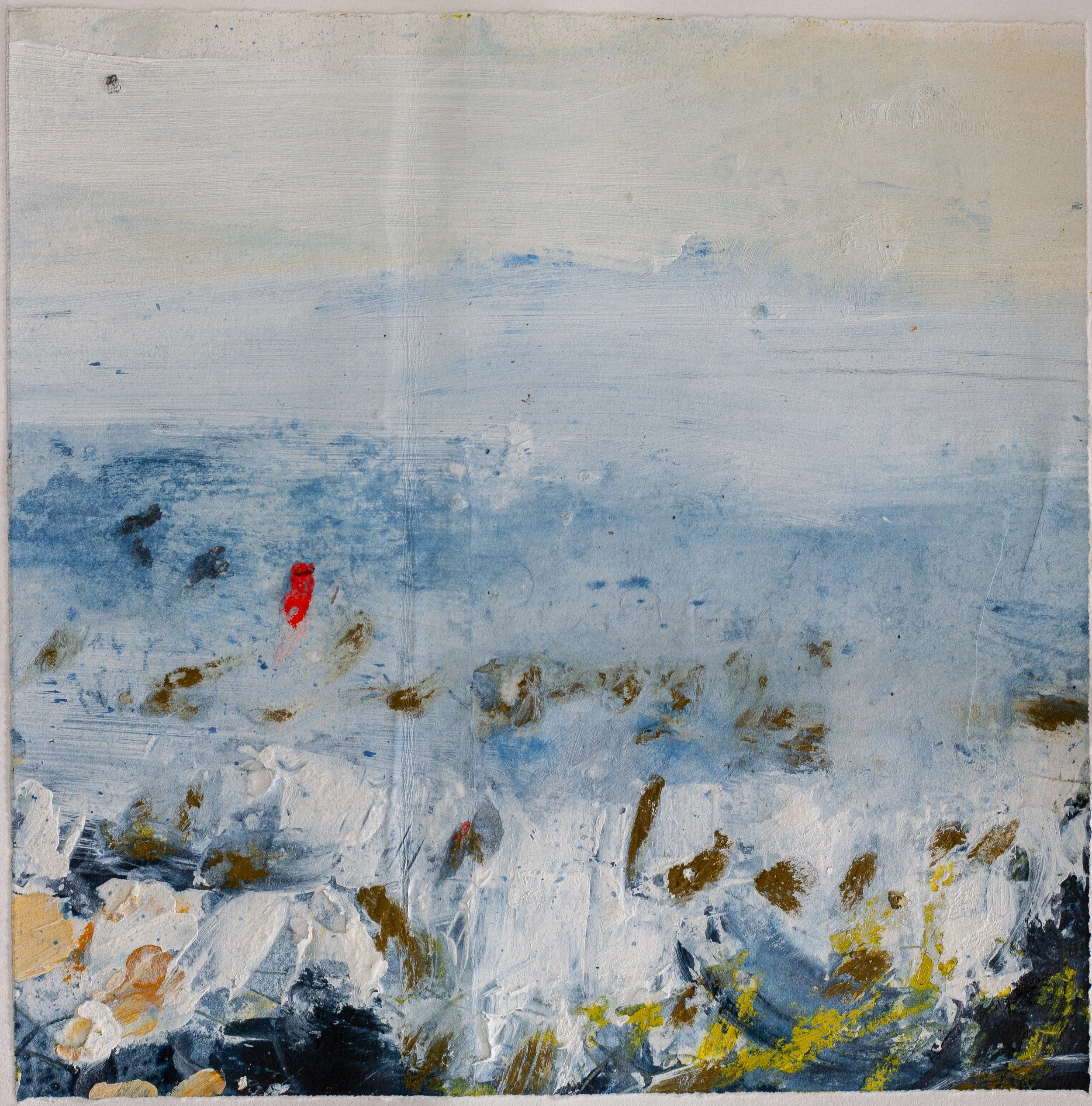
SEASCAPES
