How to Abstract a Landscape - From a Real View to Expressive Painting
This is the question I get asked more than any other.
“How do you get from what you’re looking at to the marks you actually make?”
People see a finished abstract landscape painting and they can appreciate it, they might even love it. But the gap between the real view and the painted marks feels like a mystery. I understand that. When I first started working this way, I couldn’t have explained the process either.
But there is a process. It’s not random, and it’s not magic. It’s a way of looking and responding that you can learn. So let me try to lay it out.
Start with what you notice, not what you see
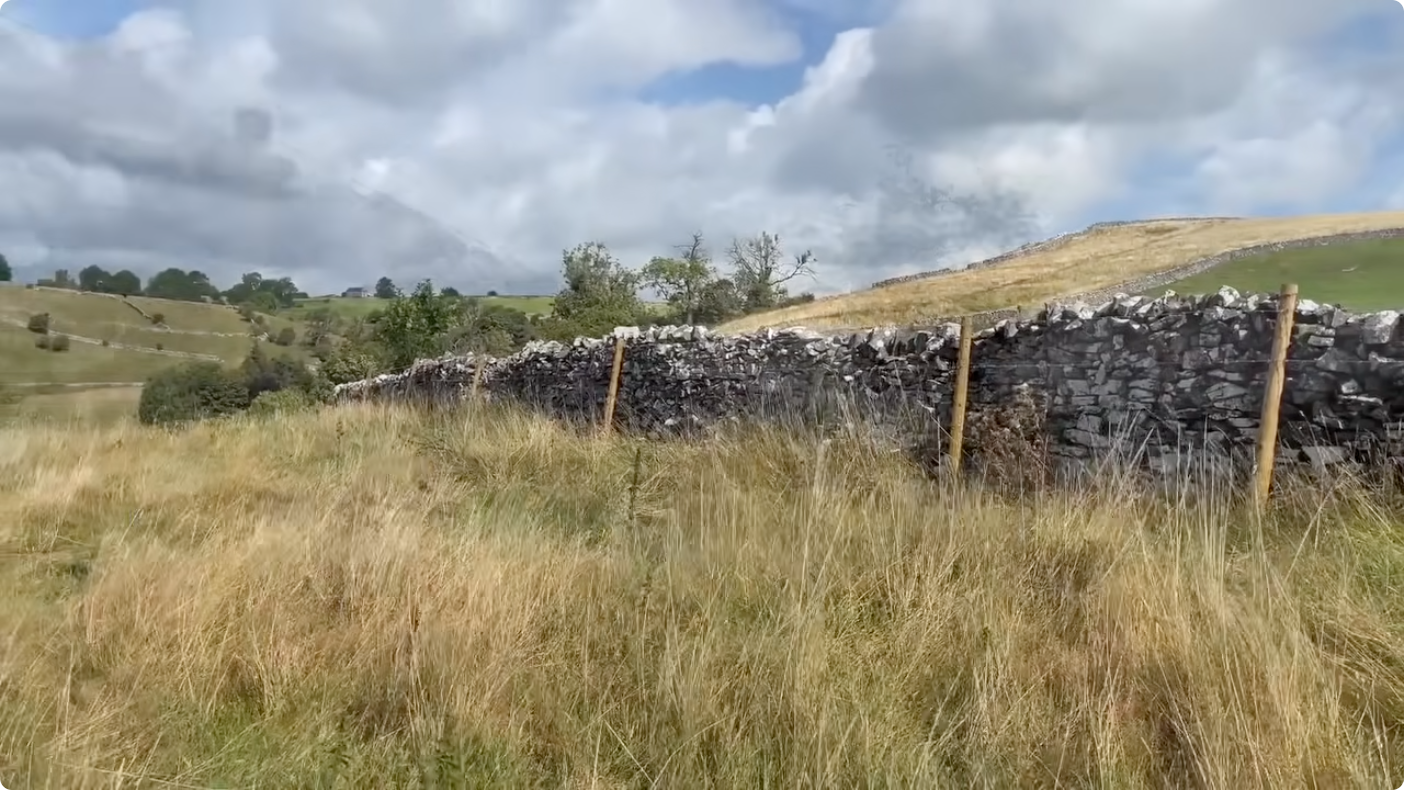
When you stand in a landscape, you’re surrounded by information. Grass, sky, stone, shadow, distance, weather. If you try to record all of it, you’ll end up with a photograph in paint, and you already have a camera for that.
The first shift is to stop looking at everything and start noticing what catches your attention. What drew you to this spot? Was it the weight of the hill against the sky? The line of a wall cutting across the land? The way the light falls differently on two sides of a valley?
That’s your subject. Not the landscape. Your response to it.
I always tell people: you’re not painting a place. You’re painting your experience of being in a place. That distinction changes everything.
Sketch to simplify, not to record
This is where sketching comes in, and I don’t mean careful, accurate drawing. I mean quick, rough marks that capture the bones of what you’re responding to.
When I sketch outdoors, I’m looking for the essential structure. What are the big shapes? Where’s the energy? What’s the dominant direction? Horizontal, vertical, diagonal?
A five-minute sketch strips away detail. What’s left is usually the thing that matters. And that’s much closer to a painting than any photograph.
The bridge - from sketch to abstract marks
This is the bit people struggle with most. You’ve got a sketch. You’ve got a feeling about the place. Now what?
Here’s what I do. I look at my sketch and ask: what was the dominant experience? Was it openness? Darkness? Movement? Weight?
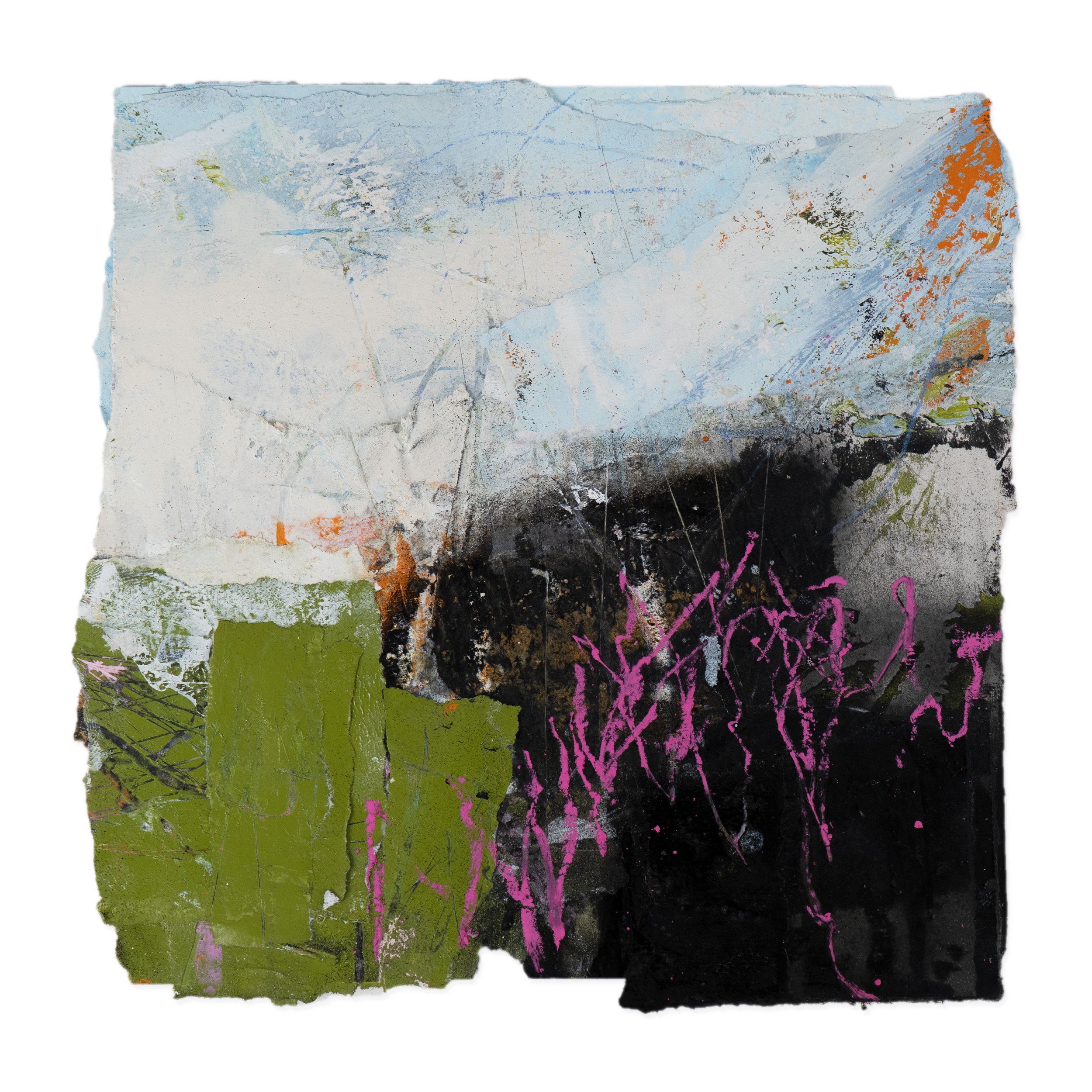
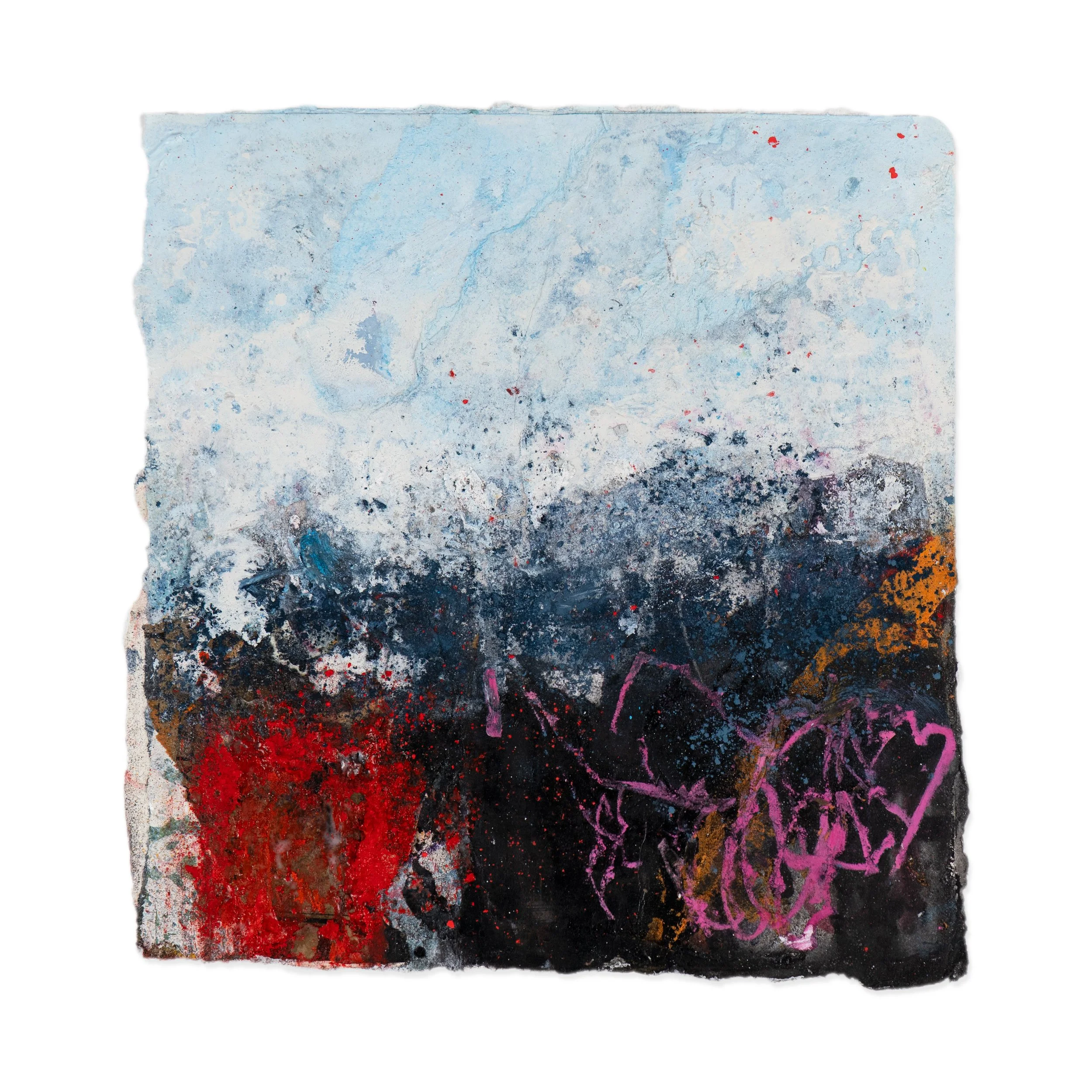
Then I start making marks that respond to that quality, not marks that describe the landscape, but marks that carry the same energy. If the landscape felt heavy and still, I might use thick, slow, horizontal marks. If it felt wild and restless, the marks will be fast, scratchy, layered.
The sketch is a reference point, not a template. I’m not trying to enlarge it or copy it. I’m using it to remind myself what I was responding to, so that the painting carries that same quality.
Let the painting take over
At some point, and this is important, you have to stop thinking about the landscape and start thinking about the painting.
A painting has its own logic. Shapes relate to other shapes. Colours push and pull. Marks create rhythm. Once you’ve got the initial energy down, you need to respond to what’s happening on the surface, not what happened in the field.
This is where abstraction really happens. Not in the first marks, but in the editing. I’ll add, scrape back, cover, reveal, adjust, always asking whether the painting has the quality I’m after. Does it feel open enough? Too busy? Does this mark fight against the others or sit with them?
Why this is hard (and why that’s normal)
If you’ve spent years learning to paint representationally, this process feels wrong at first. You feel like you’re abandoning skill. You feel like the results are messy and directionless.
That discomfort is the transition. It’s the gap between what your hand has been trained to do and what you’re now asking it to do. You’re not losing ability, you’re redirecting it.
Most of the painters who come to my courses have been through exactly this. They can paint what they see. They want to paint what they feel. The bridge between those two things is what abstraction actually is.
Where to go from here
If you want to work through this process step by step, the Abstracted Landscape course is built around exactly this, going from observation to interpretation to finished painting. Over 1,000 artists have taken it.
You might also find the Developing Visual Ideas course useful if you want to focus on the sketching and composition side first, it’s a standalone module with 10 videos and over 3 hours of tutorials.
And if you’d like ongoing support and a new project every month, the Noble Art membership gives you access to a growing library of 50+ video tutorials plus a community of painters working through the same things.
Lewis
See also:Abstract Landscape Painting — Guides, Courses & Inspiration